Powering the Future
of Northern Europe

Northern Europe Energy Group (Northern Energy) is a Nordic-Baltic energy company accelerating the transition to a carbon-neutral economy.
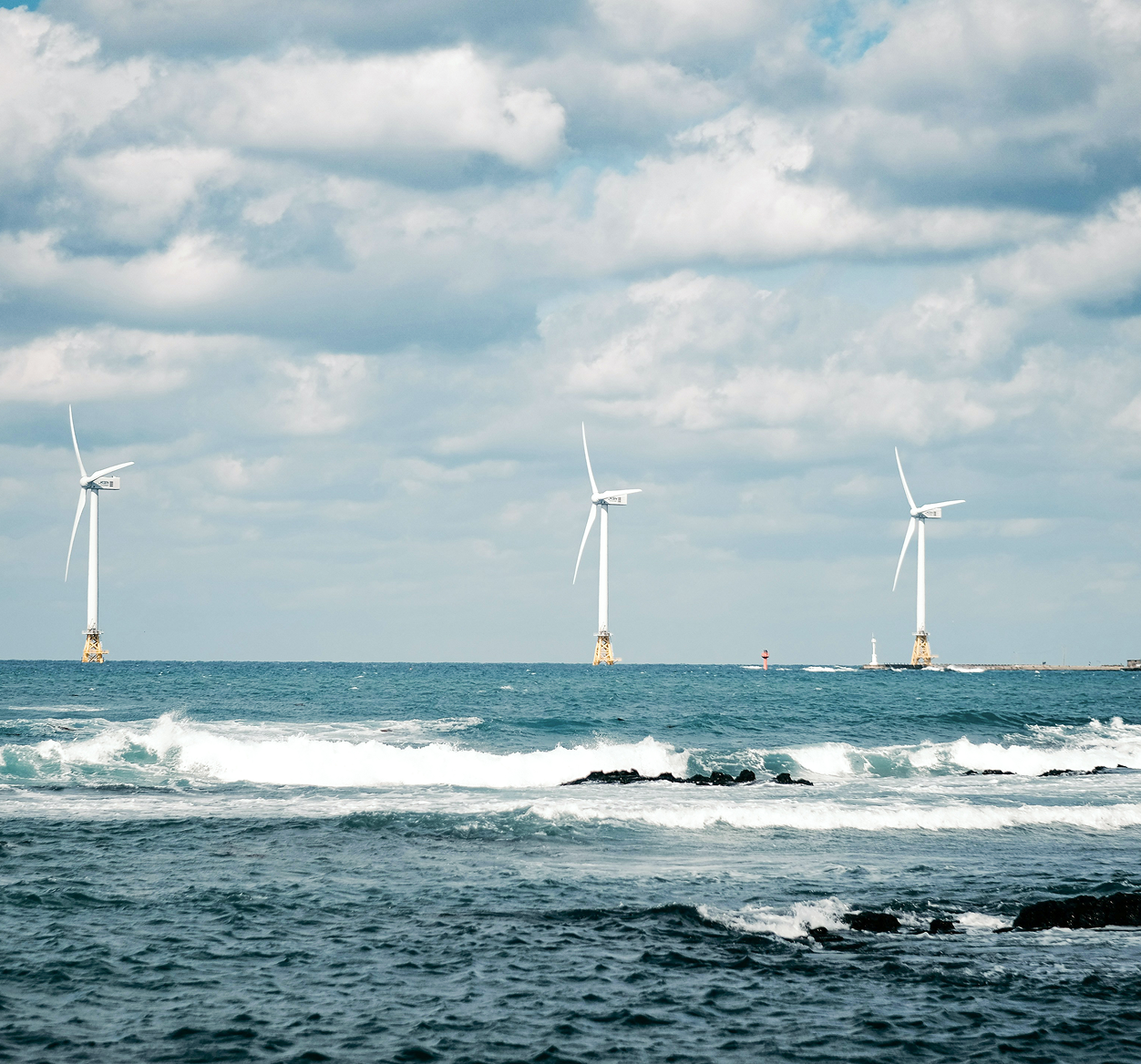
Through large-scale renewable energy, energy storage, and Power-to-X projects, we build the foundation for a sustainable industrial future.


Our vision

To enable clean energy and sustainable industry through innovation, integrity, and circular resource use.

About us

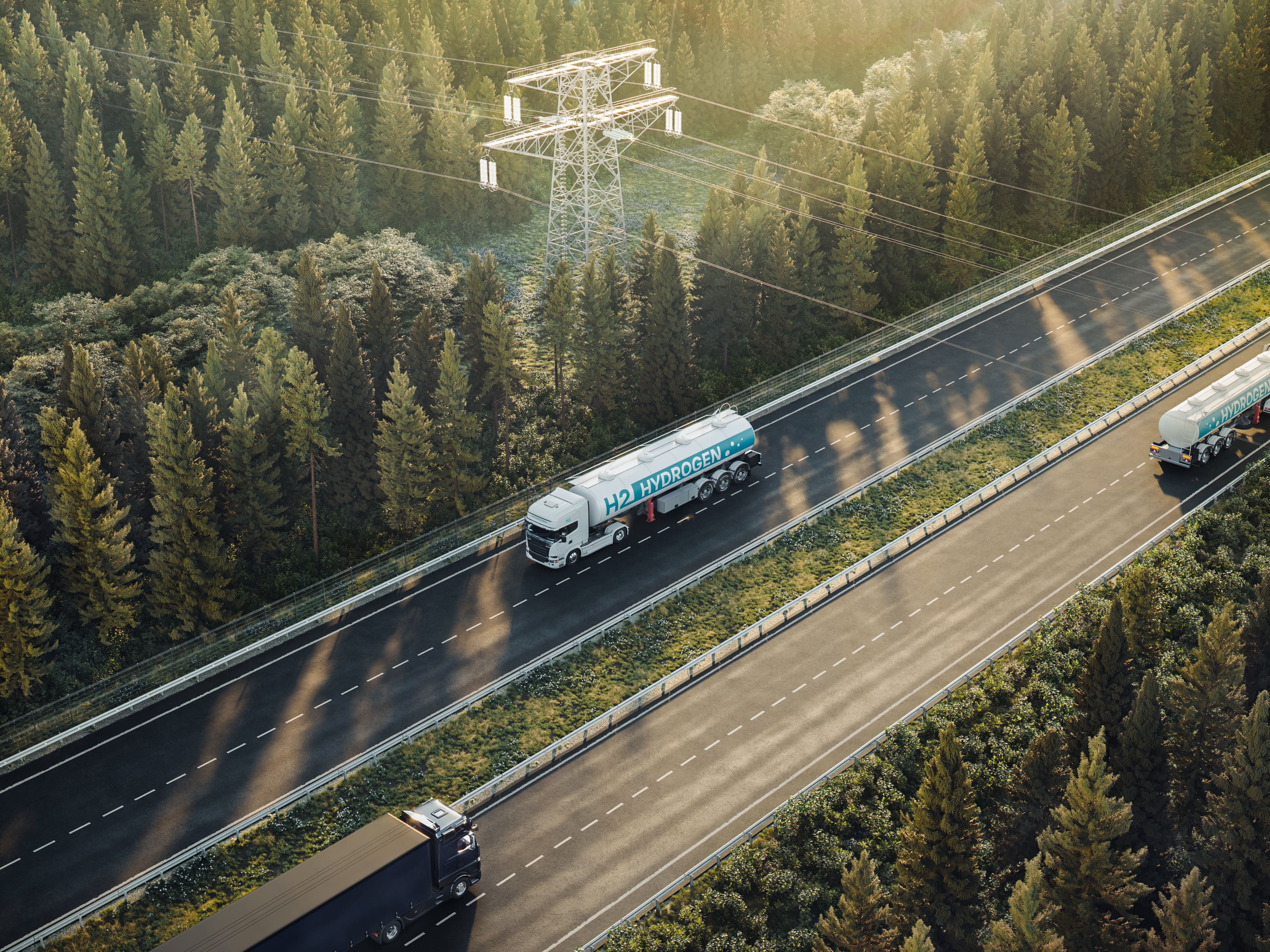
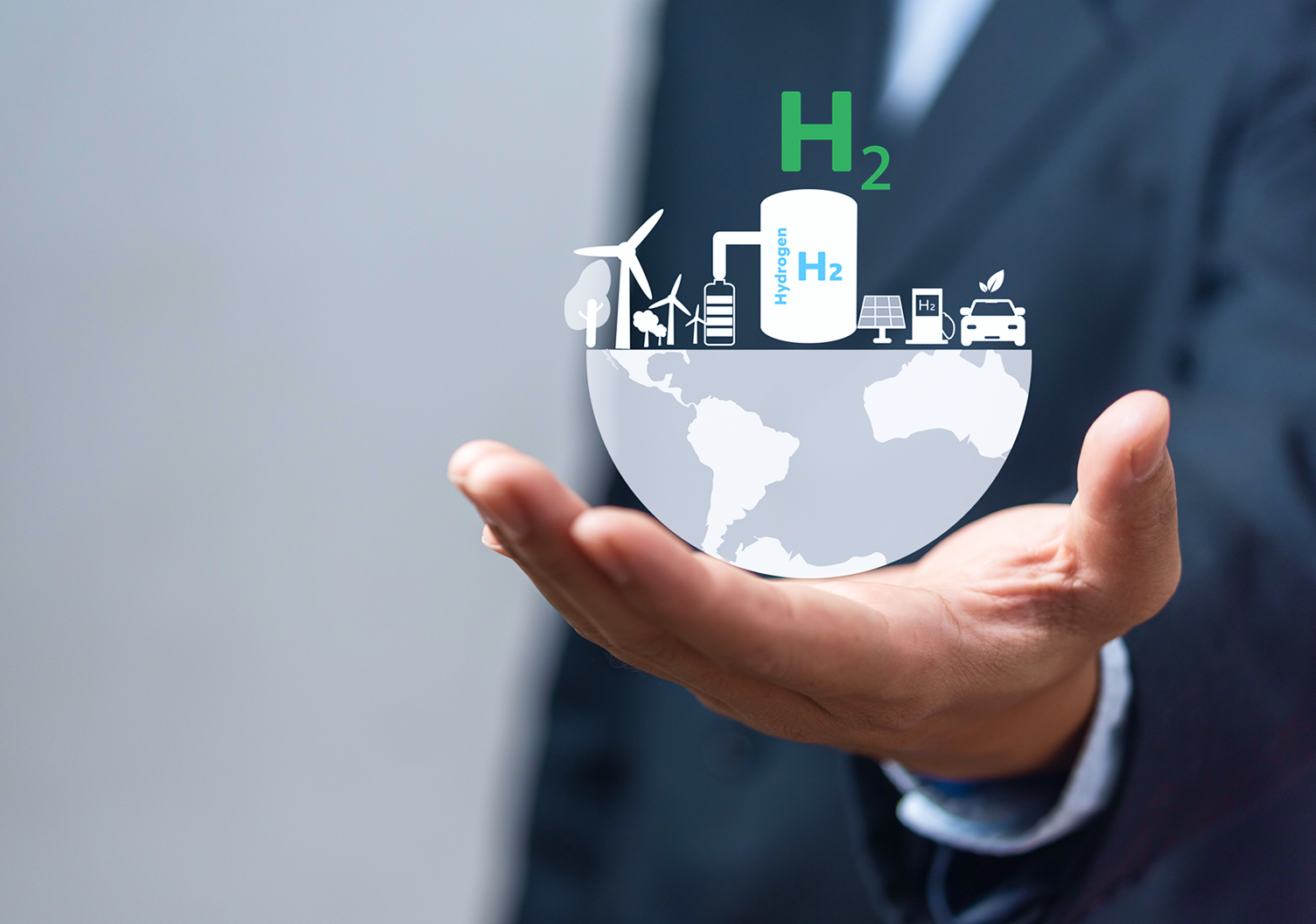
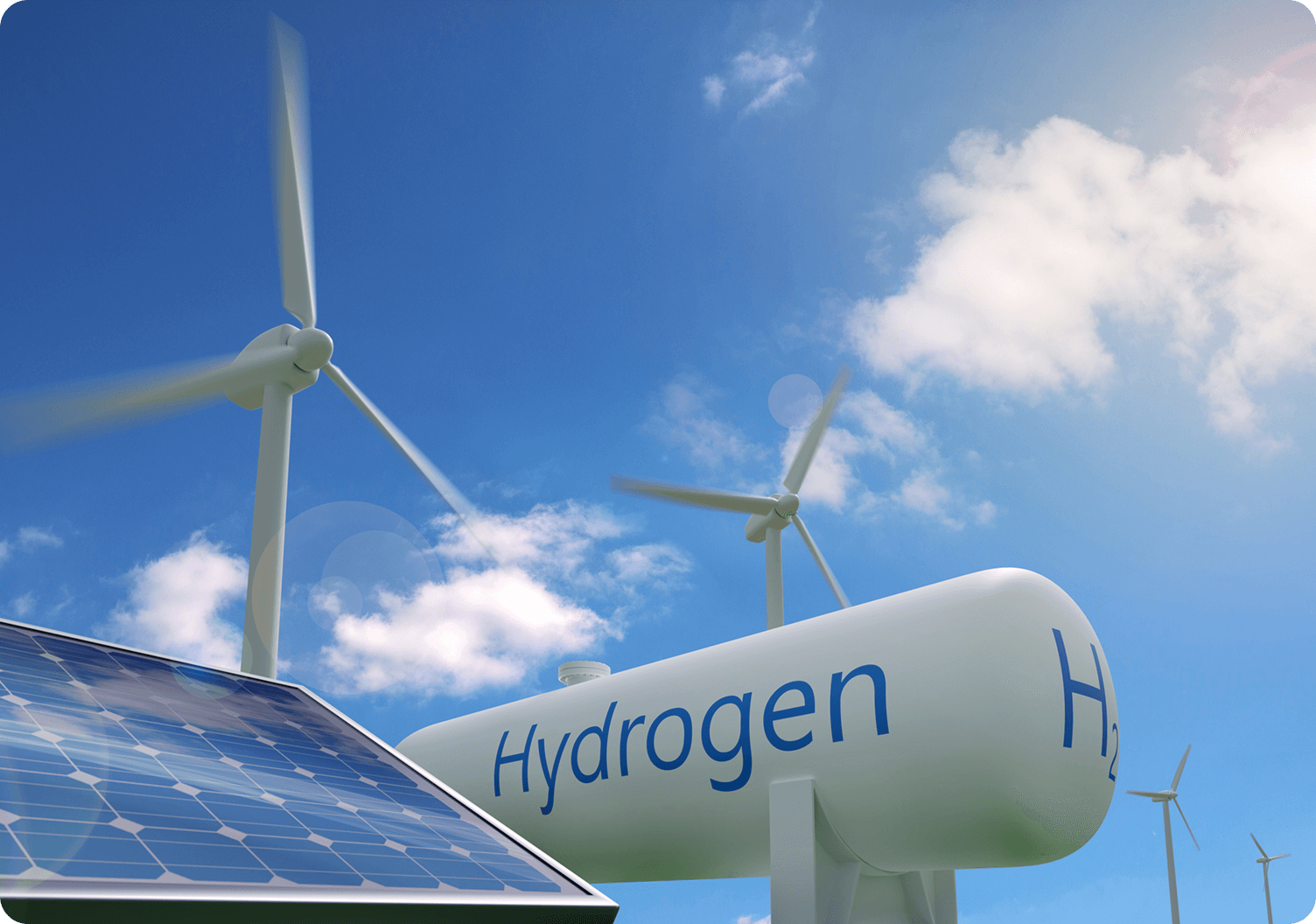
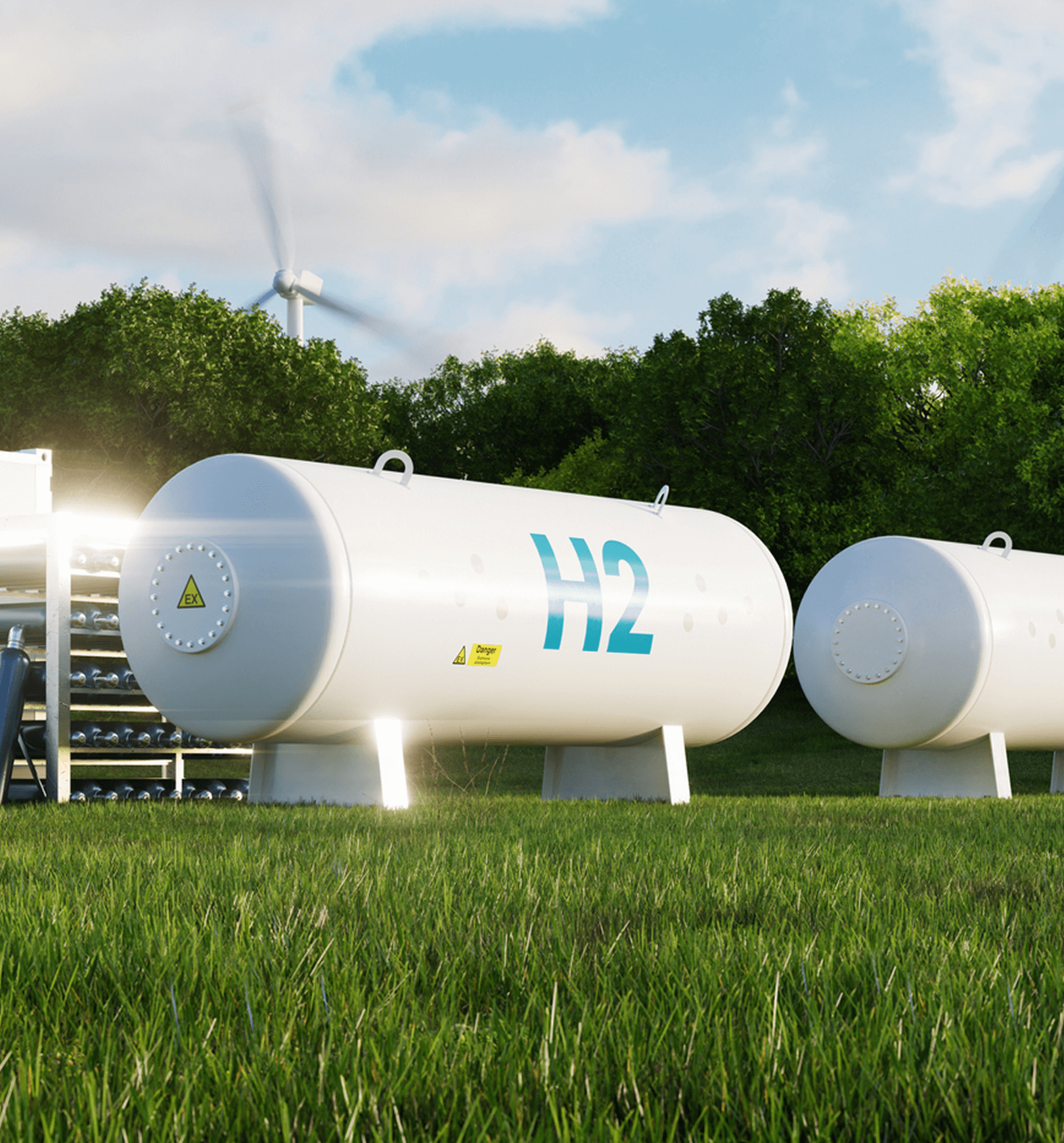
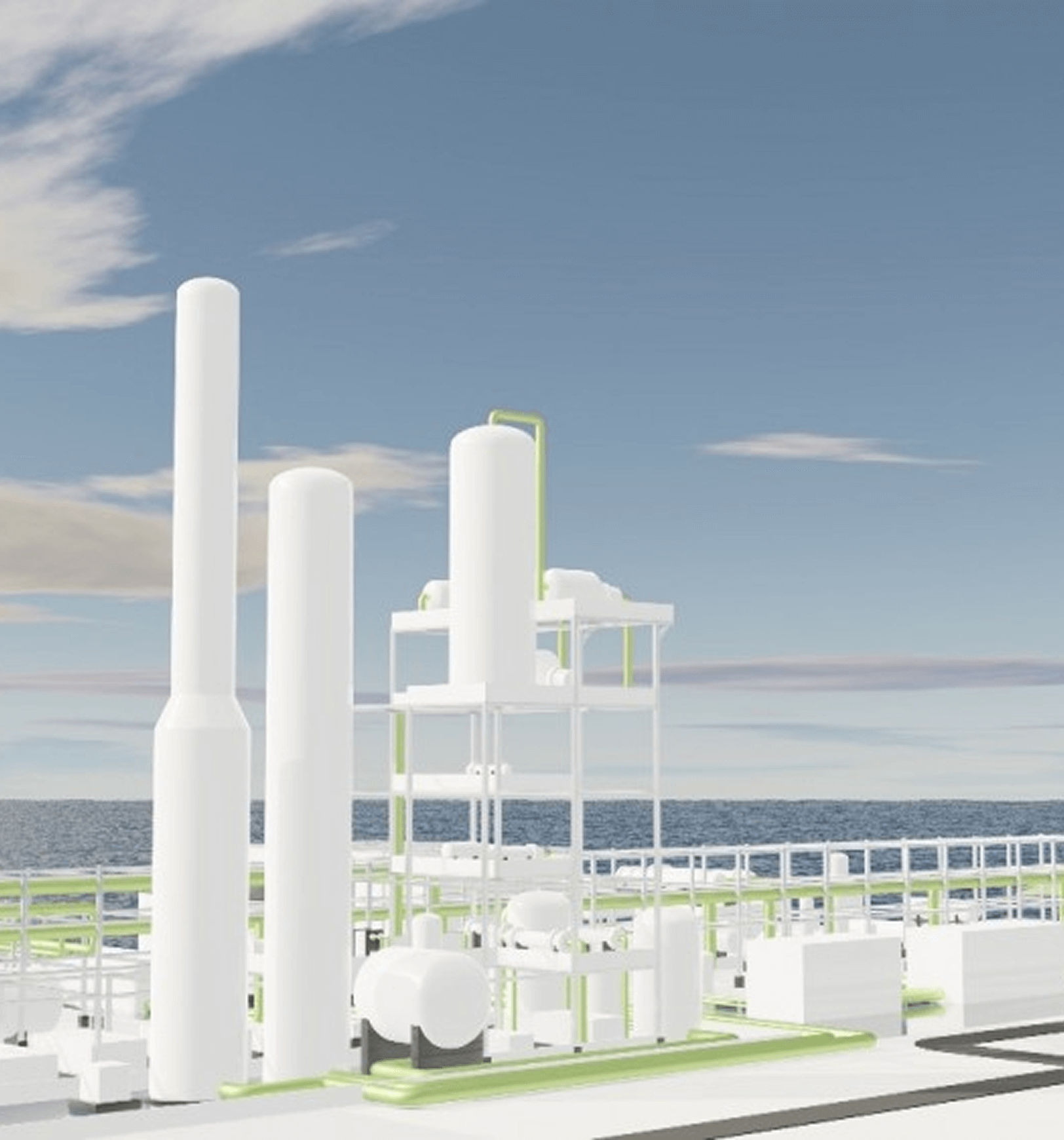
Northern Energy's flagship project CIS Liepaja is a  next-generation hydrogen complex that turns wind and solar energy into clean fuels, industrial integration, and long-term regional value.

1,000 MW
Green hydrogen production capacity
powering the Baltic region’s transition
to renewable energy
100,000 tons
Annual production of hydrogen per year
36.8 ha
Strategic location in
the Liepaja Special Economic
Zone with strong local and
national support

Sustainability

We see the energy transition not just as a technical shift but as a social and environmental commitment to future generations.

Our projects are built to deliver:
Net-zero emissions through renewable-based electrolysis.
Circular resource loops, re-using heat, water, and oxygen.
Positive local impact, creating jobs and strengthening municipalities.
ESG transparency, with measurable metrics and third-party verification.
About us

News

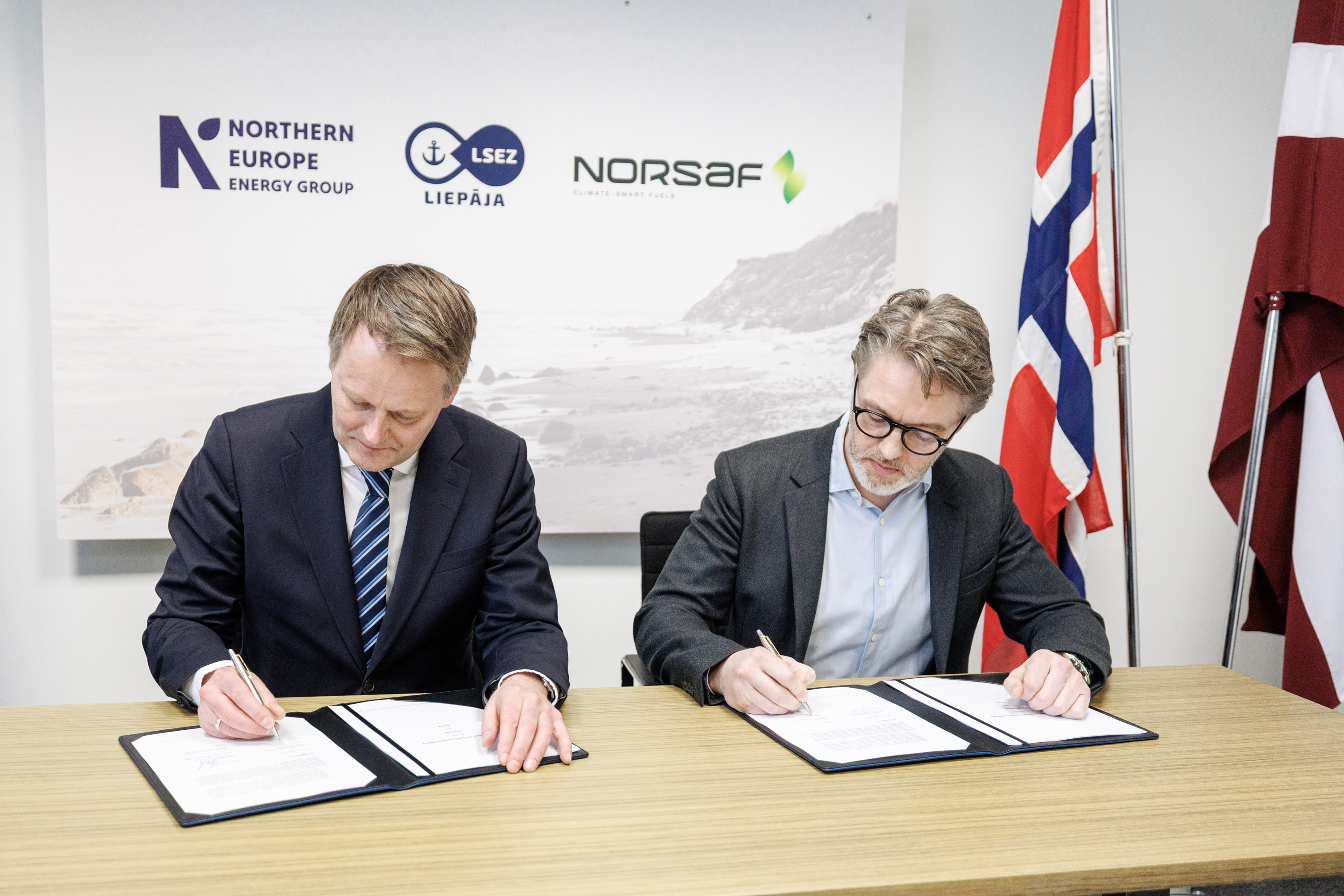
Stay updated on Northern Energy’s latest developments — from new partnerships and investment milestones to technology announcements and sustainability initiatives.

Our press center provides official statements, media resources, and progress updates across the Group’s portfolio.

FAQ

Green Hydrogen Myth Buster

1. Myth: Green hydrogen is not economically viable.

Fact: The costs associated with the production of green hydrogen have significantly decreased in recent years, particularly due to the increased utilization of renewable energy sources. As the costs of solar and wind energy continue to decline, green hydrogen is becoming increasingly competitive compared to fossil fuels.

2. Myth: Green hydrogen is produced solely from water.

Fact: While the electrolysis of water is the most recognized method for producing green hydrogen, it can also be generated from other sources, such as biomass and certain types of waste, utilizing various technologies.

3. Myth: The use of green hydrogen is limited to the transportation sector.

Fact: Green hydrogen can be utilized across multiple sectors, including industrial applications (such as steel production), energy storage, building heating, and as a raw material for the production of other chemicals.

4. Myth: Green hydrogen is less efficient than fossil fuels.

Fact: The efficiency of green hydrogen largely depends on the application; however, using hydrogen as an energy carrier can, in many cases, be more efficient than fossil fuels, particularly in terms of energy storage and transportation.

5. Myth: Green hydrogen will immediately replace all fossil fuels.

Fact: While green hydrogen holds significant potential, it will take time to develop the necessary infrastructure and technology to completely replace fossil fuels. Transitioning will occur gradually and will vary based on industry and application.

6. Myth: There is not enough renewable energy to produce green hydrogen at scale.

Fact: A substantial amount of renewable energy is available worldwide, and renewable resources can be harnessed on an extremely large scale. It is technologically feasible to integrate renewable energy with hydrogen production to meet future energy demands.

7. Myth: Green hydrogen is dangerous and difficult to handle.

Fact: As with any energy source, certain safety procedures must be followed. However, hydrogen is not inherently more dangerous than other energy sources concerning storage and handling, provided that safety standards are observed.

Contact

Get in Touch

We welcome dialogue with investors, industrial partners, and local communities.
Please reach out for more information or collaboration opportunities.
Your name
Email Address
your message
Thank you! Your submission has been received!
Oops! Something went wrong while submitting the form.